
In today’s digital economy, your website is far more than an online business card—it is a living, evolving digital asset that influences brand perception, drives customer engagement, and directly contributes to business growth. As global audiences increasingly rely on digital interactions to evaluate brands, a strong online presence has become a non-negotiable requirement for businesses of every size. Whether you’re a startup establishing your identity or an established enterprise expanding your digital footprint, website design and development plays a crucial and transformative role.
A well-designed website does more than “look good.” It strategically blends user experience (UX), user interface (UI), brand communication, conversion psychology, and technical architecture to create a seamless journey that inspires trust and drives action. At the same time, effective website development ensures your digital platform is fast, secure, scalable, mobile-responsive, and optimised for both users and search engines. When design and development come together with the right strategy, the result is a powerful, revenue-generating machine that works for you 24/7.
In a world where attention spans are shrinking and digital competition is rising, businesses can no longer afford outdated, slow, or poorly structured websites. Research shows that users form an opinion about your site within 0.05 seconds, and 88% of users are unlikely to return after a poor experience. This means the stakes are high: your website is often the deciding factor between a conversion and a bounce.
This comprehensive guide is designed to help global businesses, B2B and B2C companies, and digital-first organisations understand the full landscape of modern website design and development. From key principles and processes to best practices and emerging trends, you’ll gain deep insights into how to build a powerful digital presence that drives engagement, conversions, and long-term success.
As a leading digital agency specialising in website design and development, Appledew brings years of expertise, strategic thinking, and practical experience in building high-performing websites for clients worldwide. This guide reflects that expertise—giving you clear, actionable knowledge to help you succeed in today’s evolving digital ecosystem.
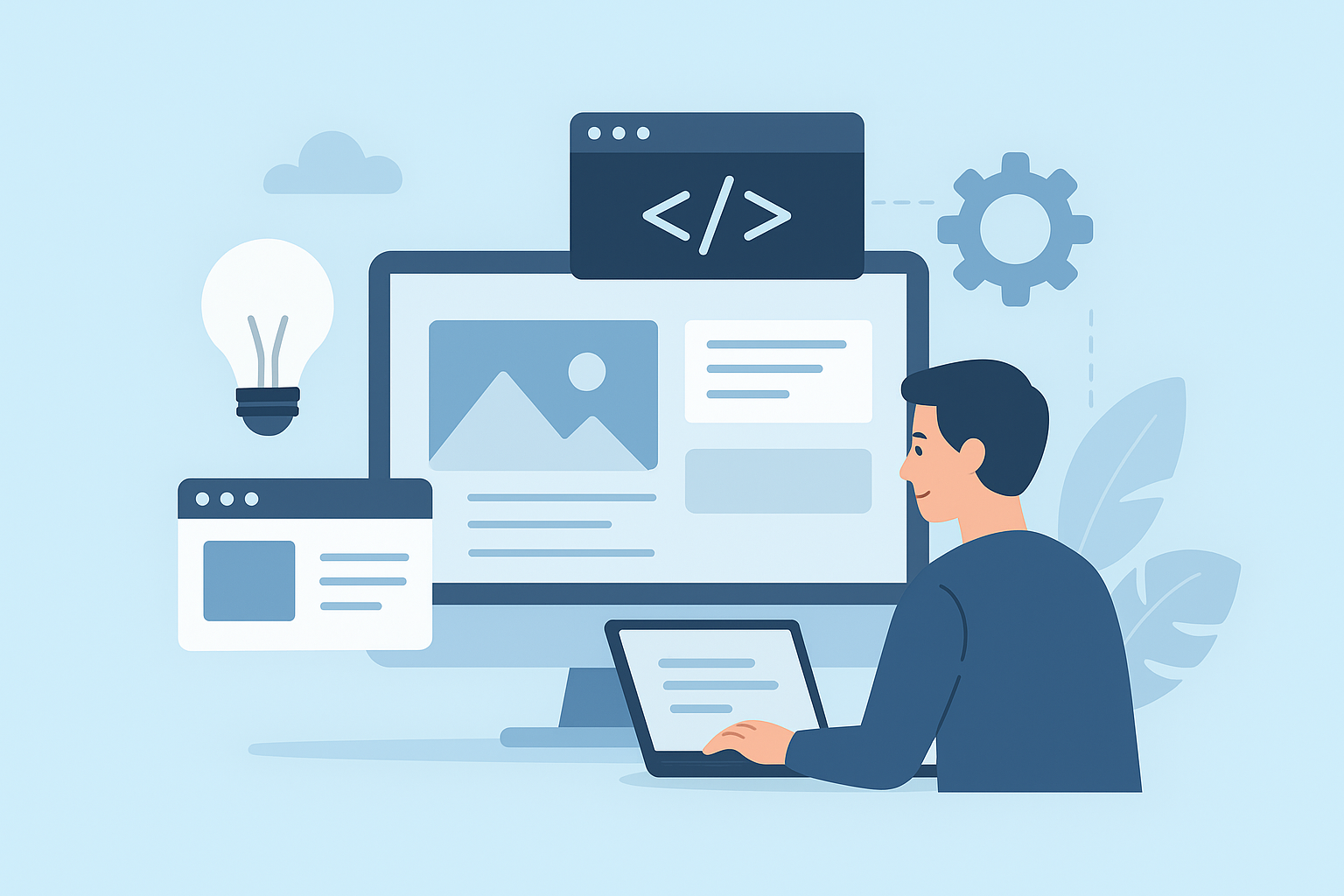
Website design and development refers to the complete process of planning, designing, building, launching, and maintaining a website. Though often grouped together, the two disciplines are distinct:
Website Design (UI/UX) is the art and science of creating digital experiences that are both visually compelling and intuitively functional. It encompasses User Interface (UI) design, which focuses on the look and feel of a website, and User Experience (UX) design, which ensures that users can navigate and interact with the platform effortlessly. Together, UI and UX create a seamless journey that keeps visitors engaged, encourages conversions, and strengthens brand perception.
UI design involves crafting visually appealing layouts, typography, color schemes, icons, and interactive elements that reflect the brand’s identity while guiding users intuitively through the site. UX design, on the other hand, is centered on understanding user behavior, needs, and pain points. Through research, wireframing, prototyping, and testing, UX design ensures that the website is easy to navigate, responsive across devices, and optimized for user satisfaction.
A well-designed website balances aesthetics and functionality, creating a memorable experience that resonates with users and supports business objectives. Strategic UI/UX design enhances accessibility, improves engagement, reduces bounce rates, and increases conversions. By integrating thoughtful visual elements with user-centered design principles, website design becomes more than just a digital presence—it becomes a powerful tool for building trust, delivering value, and driving long-term business growth.
The goal: create a stunning, intuitive, user-friendly experience.
Website Development is the technical backbone of building a functional, dynamic, and interactive online presence. It involves transforming designs and concepts into fully operational websites and applications that perform seamlessly across devices and platforms. Development combines programming, coding, and technical problem-solving to create websites that are not only visually appealing but also robust, secure, and efficient.
The process typically includes both front-end and back-end development. Front-end development focuses on the user-facing side of the website, ensuring that layouts, graphics, navigation, and interactive elements function smoothly and provide an engaging experience. Back-end development manages the server, databases, and application logic that power the website, enabling features such as user authentication, data storage, and dynamic content delivery.
Website development also emphasizes performance, scalability, and security. Optimized code, fast loading times, responsive design, and secure protocols ensure that users have a seamless experience while protecting sensitive information. Moreover, modern development often integrates content management systems (CMS), e-commerce solutions, and third-party tools to enhance functionality and manageability.
A well-developed website not only reflects a brand’s identity but also supports business goals, drives user engagement, and provides measurable results. Investing in professional website development ensures a reliable, scalable, and future-ready digital platform that grows alongside the business.
The goal: ensure the website works fast, securely, and reliably.
When design and development work together, they create powerful digital experiences.
A professionally designed and developed website enhances:
✔ Brand credibility
✔ Search engine visibility
✔ Customer engagement
✔ Lead generation and conversion rates
✔ Global reach and accessibility
Strategic UX (User Experience) is the deliberate and research-driven approach to designing digital products that are not only visually appealing but also intuitive, efficient, and aligned with business goals. It goes beyond aesthetics, focusing on how users interact with a website, app, or platform, ensuring their journey is seamless, enjoyable, and productive. Strategic UX combines user research, data analysis, and behavioral insights to create experiences that meet both user needs and organizational objectives.
By understanding your audience’s motivations, preferences, and pain points, strategic UX helps in crafting interfaces that guide users effortlessly toward desired actions, whether that’s making a purchase, signing up for a service, or consuming content. It emphasizes accessibility, responsiveness, and consistency across all touchpoints, ensuring that users have a positive and cohesive experience regardless of device or platform.
Moreover, strategic UX is iterative, relying on continuous testing, feedback, and refinement to optimize performance and engagement. It integrates business strategy with human-centered design, turning insights into actionable solutions that drive conversions, build loyalty, and strengthen brand credibility. Investing in strategic UX ensures that your digital presence is not only functional but also meaningful, creating lasting impressions that resonate with users and contribute to sustainable growth.
UI (User Interface) design is the art and science of crafting visually engaging, intuitive, and interactive digital experiences. It focuses on how users interact with a website, application, or digital platform, ensuring that every element—buttons, menus, forms, icons, and layouts—is not only aesthetically pleasing but also functional and user-friendly. A well-designed UI guides users effortlessly through a platform, reducing friction, enhancing usability, and creating a seamless journey from start to finish.
UI design is deeply connected to user behavior, psychology, and accessibility. It prioritizes clarity, consistency, and responsiveness, ensuring that interfaces work flawlessly across devices and screen sizes. Color schemes, typography, spacing, and interactive elements are carefully considered to reflect brand identity while providing an intuitive navigation experience. Effective UI design also balances creativity with practicality, ensuring that innovation does not compromise usability.
Beyond aesthetics, UI is a strategic tool that influences user engagement, satisfaction, and retention. By making digital interactions simple, enjoyable, and efficient, strong UI design enhances overall user experience, builds trust, and encourages desired actions such as conversions or subscriptions. Investing in thoughtful UI design ensures that your digital presence is not only visually compelling but also functionally robust, leaving a lasting impression on users while supporting long-term business goals.
Includes:
A modern UI increases trust and encourages engagement.
Responsive Design is an essential approach to modern web and app development that ensures digital platforms provide an optimal viewing experience across all devices, from desktops and laptops to tablets and smartphones. In today’s fast-paced digital landscape, users access content through a variety of screen sizes and resolutions, making responsiveness critical for usability, engagement, and retention.
A responsive design automatically adapts layouts, images, text, and interactive elements to fit the screen, maintaining functionality and aesthetics regardless of the device being used. This approach eliminates the need for multiple versions of a website, streamlining maintenance while ensuring consistency in user experience. Key principles include flexible grids, scalable images, and adaptive navigation that prioritize ease of use and accessibility.
Beyond improving usability, responsive design directly impacts search engine optimization (SEO) and overall business performance. Search engines favor mobile-friendly websites, and users are more likely to stay and interact with a site that is intuitive and fast on any device. By implementing responsive design, businesses can reach a broader audience, enhance engagement, reduce bounce rates, and increase conversions. Ultimately, responsive design is not just a technical requirement—it is a strategic investment that ensures your digital presence is versatile, future-proof, and capable of delivering seamless experiences to every user.
Brand Alignment is the process of ensuring that every aspect of a business—its visuals, messaging, digital presence, and customer interactions—consistently reflects its core values, mission, and identity. It is about creating a unified and coherent brand experience that resonates with the target audience and strengthens brand credibility. When a company achieves brand alignment, every touchpoint, from websites and social media to marketing campaigns and customer support, communicates a consistent message, building trust and recognition over time.
Achieving brand alignment involves a deep understanding of the brand’s personality, goals, and market positioning. Designers, marketers, and business leaders collaborate to ensure that visual elements such as logos, color schemes, typography, and imagery complement the brand’s voice and values. Messaging, tone, and content are carefully crafted to reinforce the brand promise and evoke the desired emotional response from customers.
Beyond aesthetics and messaging, brand alignment influences business strategy and decision-making. It ensures that new initiatives, products, or campaigns are consistent with the brand’s identity, fostering loyalty, differentiation, and long-term growth. By maintaining brand alignment, businesses can create meaningful connections with their audience, strengthen their market presence, and deliver a seamless and memorable brand experience across all platforms and interactions.
Content & Visual Messaging is the strategic combination of written, visual, and multimedia elements used to communicate a brand’s story, values, and offerings effectively. It ensures that every piece of content—whether blog posts, social media updates, videos, or graphics—aligns with the brand’s voice and resonates with the target audience. Strong content and visual messaging creates clarity, reinforces brand identity, and engages users across all digital platforms.
Effective content delivers value through compelling narratives, informative resources, or persuasive calls to action, while visual messaging enhances understanding and retention through impactful design, color, typography, and imagery. Together, they guide the audience’s attention, evoke emotions, and inspire action. A well-crafted combination ensures that messages are not only noticed but remembered, helping brands stand out in competitive markets.
Consistency is key: maintaining uniform tone, style, and visual cues across channels strengthens recognition and trust. Additionally, strategic content and visuals are optimized for different platforms and devices, ensuring that the brand experience is seamless whether on mobile, desktop, or social media. By integrating thoughtful content with purposeful visual messaging, businesses can communicate more effectively, build meaningful connections with their audience, and drive engagement, loyalty, and long-term growth in a visually-driven digital world.

The Planning & Requirements stage is the foundation of every successful website design and development project. This phase establishes clarity, direction, and alignment between the business goals, user needs, and the final digital experience. Before design work begins or a single line of code is written, it’s essential to understand what the website must achieve and how it will support the broader brand strategy.
During this phase, the project team gathers key information including target audience insights, industry landscape, competitor analysis, and the website’s main purpose—whether it’s lead generation, eCommerce, brand awareness, or customer support. Clear project objectives are defined, along with the desired features, functional requirements, and technical expectations such as CMS preferences, page structures, integrations, security needs, and performance goals.
Sitemaps and user-flow diagrams are developed to outline how visitors will navigate the website. Content requirements are identified, including messaging hierarchy, tone, and visual direction. Stakeholders align on timelines, budgets, and deliverables, ensuring that expectations are realistic and achievable.
By investing time in thorough planning and requirements gathering, businesses reduce risk, avoid costly revisions, and create a strategic roadmap that guides the entire design and development process. This step ensures that the final website is purposeful, user-centric, and built for long-term success.
Wireframing & Prototyping is a crucial phase in the website design and development process, transforming raw ideas into structured visual blueprints. Before finalizing the design, this stage focuses on defining the website’s layout, user journey, and overall structure without the distraction of colours, graphics, or detailed styling. Wireframes act as the skeletal foundation, showing where key elements—such as navigation menus, banners, content blocks, forms, and calls-to-action—will be placed throughout the site.
This phase allows teams to validate user experience (UX) decisions early, ensuring the website flows intuitively and supports user goals. Designers map out page hierarchy, content placement, and interaction patterns, helping stakeholders visualize how users will navigate from one page to another. Prototyping takes the wireframe a step further by creating interactive, clickable models that simulate real user interactions. This enables the team to test usability, identify potential friction points, and adjust functionality before development begins.
By reviewing and refining wireframes and prototypes, businesses can make informed decisions without incurring the cost of modifying fully designed or developed pages. This step ensures alignment between strategy, design, and functionality, ultimately leading to a more efficient development process and a user-friendly final website that meets both business objectives and user expectations.
The Design Phase is where strategy and structure come to life, transforming wireframes into visually compelling and brand-aligned user interfaces. In this stage, designers focus on crafting the website’s look and feel, ensuring every element supports usability, communicates brand identity, and enhances the user experience. This includes selecting colour palettes, typography, iconography, imagery, spacing, and interactive components that collectively shape the personality of your digital presence.
Using the approved wireframes as a foundation, designers create high-fidelity mockups that present a realistic view of each page. These visual layouts demonstrate how users will experience the site—from navigating the homepage to interacting with key elements such as buttons, forms, and calls-to-action. Accessibility and responsiveness are also prioritised, ensuring the design adapts seamlessly across mobile, tablet, and desktop devices.
During this phase, feedback loops play an essential role. Stakeholders review the design concepts and provide input to ensure alignment with business goals, brand guidelines, and user expectations. Adjustments are made to refine aesthetics, improve clarity, and strengthen user paths before the final design is approved.
A strong design phase ensures the website is not only visually appealing but strategically crafted to enhance engagement, build trust, and guide users toward meaningful actions.
The Development Phase transforms approved designs into a fully functional website using clean, secure, and scalable code. Frontend and backend development work together to build responsive layouts, dynamic features, integrations, and databases. This stage ensures the website performs smoothly, loads fast, and delivers an optimal user experience across all devices.
Frontend Development focuses on building the visual and interactive elements users see and engage with. Using HTML, CSS, and JavaScript, developers turn designs into responsive, accessible, and fast-loading interfaces. This phase ensures smooth navigation, intuitive interactions, and a seamless user experience across all devices and screen sizes.
Backend Development powers the website behind the scenes, managing databases, server logic, APIs, and integrations. It ensures secure data handling, smooth functionality, and reliable performance. This phase builds the core system that enables features like user accounts, payment processing, content management, and dynamic content delivery.
Testing & Quality Assurance (QA) is a critical phase in the website design and development process, ensuring that the final product performs flawlessly across all devices, browsers, and user conditions. Before launching, every feature, page, and interaction undergoes thorough evaluation to verify functionality, stability, security, and user experience. This stage helps identify and resolve issues early, preventing technical errors from affecting users or harming brand credibility.
During functional testing, QA specialists check all links, forms, buttons, navigation paths, and interactive elements to ensure they work as intended. Compatibility testing verifies that the website operates smoothly on different browsers, operating systems, and screen sizes. Performance tests evaluate loading speeds, responsiveness, and server handling under various conditions. Security testing ensures protection against vulnerabilities, safeguarding data, user inputs, and system integrity.
User experience testing focuses on clarity, accessibility, and overall usability, confirming that the design is intuitive and aligned with user expectations. Content is also reviewed for accuracy, consistency, and readability.
By conducting rigorous testing and quality assurance, businesses significantly reduce launch risks and ensure their website delivers a polished, reliable, and seamless experience from day one. This phase strengthens website performance and sets the foundation for long-term stability, trust, and user satisfaction.
The Launch & Deployment phase marks the transition from development to a live, fully accessible website. After completing thorough testing and final reviews, the website is prepared for deployment to its production environment. This stage involves configuring servers, setting up hosting, ensuring DNS routing, implementing SSL certificates for security, and conducting final performance checks to guarantee smooth operation.
Before going live, developers verify that all files, databases, and configurations are correctly migrated from staging to production. The team also performs last-minute audits to confirm page speed, mobile responsiveness, cross-browser compatibility, and SEO essentials such as metadata, sitemap generation, and indexing settings. Any remaining issues are resolved to ensure the launch is seamless.
Once the site is deployed, a soft launch or final live testing may be conducted to ensure everything functions exactly as intended in a real user environment. Monitoring tools are set up to track uptime, traffic, errors, and overall performance from the moment the website goes live.
The Launch & Deployment stage is not just about going live—it’s about ensuring a smooth, stable, and secure release. A successful launch sets the foundation for long-term performance, user satisfaction, and continuous improvement.
Maintenance & Optimisation is a critical phase in ensuring that your website or digital platform continues to perform efficiently, securely, and effectively over time. Regular maintenance involves monitoring the health of your website, updating software, plugins, and security patches, and resolving any technical issues promptly to prevent downtime or vulnerabilities. It ensures that all components work harmoniously, providing a seamless experience for users while protecting your business from potential cyber threats.
Optimisation, on the other hand, focuses on enhancing performance, usability, and search engine visibility. This includes improving website speed, refining the user interface, enhancing mobile responsiveness, and optimizing content for SEO. A well-optimised site not only attracts more visitors but also keeps them engaged, reduces bounce rates, and encourages conversions.
Combining maintenance with optimisation creates a sustainable digital presence, allowing your platform to adapt to changing technologies and user expectations. It also helps businesses stay competitive by continuously improving efficiency and performance while minimizing technical disruptions. Investing in ongoing maintenance and optimisation is not just a technical necessity—it is a strategic approach to maintaining user satisfaction, brand credibility, and long-term growth in an ever-evolving digital landscape.
Smart design improves conversions.
Situation: A global B2B tech firm had poor UX and low conversions.
Approach: Full redesign, simplified navigation, improved CTAs, lead funnels.
Results: +45% increase in engagement, 3× increase in lead inquiries.
Lesson: UX improvements directly increase conversion rates.
Situation: Slow website, low sales.
Approach: Speed optimisation, new mobile-first design, improved checkout.
Results: Load speed dropped from 7s to 1.5s. Sales increased by 60%.
Lesson: Performance = revenue.
Q1: Why is website design and development important for businesses?
A strong website builds trust, increases visibility, enhances user experience, and drives conversions — making it the foundation of digital presence.
Q2: How long does it take to design and develop a website?
Depending on complexity, 3–12 weeks is typical for professional builds.
Q3: How much does website design cost?
Costs vary based on features, pages, CMS, custom development, and integrations.
Q4: What’s the difference between web design and web development?
Design = visuals + experience. Development = functionality + coding.
Q5: Why is mobile responsive design essential?
More than half of global users browse on mobile — and Google ranks mobile-first.
As digital landscapes continue to evolve, businesses must adopt a forward-thinking approach to website design and development. Your website is no longer a static information hub—it is a dynamic platform that influences first impressions, accelerates conversions, and supports long-term growth. A professionally crafted website ensures your brand communicates effectively, engages intelligently, and competes successfully in global markets. Whether your audience is B2B or B2C, the expectations are high, and your online presence must meet them.
A strong website integrates strategic design, seamless development, and powerful performance. It incorporates polished UI/UX, intuitive navigation, fast loading speed, secure functionality, responsive design, and clear messaging. These factors build user confidence and guide visitors toward meaningful actions such as contacting your team, requesting a quote, or exploring your services. As attention spans shrink and competition rises, the brands that invest in well-planned website development gain a significant advantage.
This guide demonstrated how modern websites must be built with attention to detail—from planning and wireframing to optimization, security, and continuous improvement. When the right strategy and execution come together, your website becomes an engine for lead generation, global growth, and long-standing customer trust.
For businesses aiming to outperform competitors, now is the time to invest in a website that reflects your vision, values, and ambitions. The digital world moves quickly, but a high-quality website ensures your brand stays relevant, accessible, and impactful across devices and markets. Whether you are just beginning your digital journey or upgrading an existing presence, website design and development remain essential drivers of success.
If you’re ready to enhance your digital presence and build a website that truly works for your business, Appledew’s professional design and development services offer the expertise and guidance you need. From strategy to launch, we help you transform your online presence into a powerful asset that supports your business goals and strengthens your brand.
Ready to build a high-performing website? Contact us today.