

Market sophistication refers to the level of awareness, competition, and maturity within a specific market. As industries evolve, customers become more informed, competitors more aggressive, and marketing messages must become increasingly refined to stand out. In today’s digital-first economy, understanding market sophistication is critical for brands aiming to achieve sustainable growth.
Modern consumers are exposed to thousands of marketing messages daily. Generic claims and surface-level messaging no longer resonate. Brands must align their strategies with how search engines, platforms, and audiences evaluate credibility, relevance, and trust. According to the Google Search Quality Rater Guidelines, content that demonstrates expertise, authority, and trustworthiness is prioritized in competitive markets.
Market sophistication also impacts how brands communicate value. In early-stage markets, simple educational content may suffice. In contrast, highly sophisticated markets require authoritative messaging, proof-based claims, and differentiation strategies. Businesses that fail to adapt risk losing visibility, trust, and market share. Harvard Business Review emphasizes that market maturity and competitive differentiation are key drivers of long-term strategic success.
By recognizing the current stage of market sophistication, brands can tailor their content, messaging, and overall strategy to meet audience expectations. Leveraging data-driven decision making ensures that strategies are based on insights, not assumptions, improving relevance and performance. Understanding these dynamics allows brands to craft competitive, trust-based strategies that resonate with audiences while achieving measurable growth.
Market sophistication describes how advanced a market is in terms of customer knowledge, competition, messaging complexity, and expectations. It reflects how familiar audiences are with solutions, how many competitors exist, and how discerning customers have become. Understanding market sophistication is critical for brands aiming to craft effective messaging and establish authority in competitive digital markets.
In unsophisticated markets, simple explanations and direct benefits are often sufficient. Customers are just beginning to recognize the problem and explore available solutions, so educational and clear messaging works effectively. As markets evolve, audiences become more experienced, competitive pressures increase, and generic claims no longer persuade buyers.
As markets mature, customers:
This evolution forces brands to adapt their messaging, content depth, and strategic approach. Marketing strategies must move from basic benefit statements to authority-led content, differentiating the brand in a crowded landscape. According to the Google Search Quality Rater Guidelines, content that demonstrates expertise, authority, and trustworthiness is prioritized in search results, emphasizing the need for credible, well-supported messaging.
Additionally, research from Harvard Business Review shows that understanding market maturity and competitive differentiation is essential for long-term success. By analyzing where a market stands, brands can tailor their content, campaigns, and positioning to meet audience expectations, build authority, and drive sustainable growth.

Market sophistication evolves as industries grow, competition intensifies, and customers become more informed. In early-stage markets, buyers are primarily focused on understanding problems and discovering solutions. Messaging at this stage is simple, educational, and benefit-driven. However, as competition increases, customers begin comparing options more critically and develop resistance to generic claims.
As markets mature, audiences gain exposure to repeated messaging and similar value propositions. This familiarity leads to skepticism, where basic features and promises are no longer persuasive. Strategic frameworks related to market maturity and competitive differentiation show that brands must evolve from promotional messaging to authority-led positioning to remain relevant.
In highly sophisticated markets, differentiation depends on credibility, depth, and proof rather than novelty. Customers expect brands to demonstrate expertise, transparency, and long-term value. Businesses that fail to adapt their messaging often struggle to gain trust, even with strong products or services. Understanding the evolution of market sophistication allows brands to align strategy, content, and positioning with real market expectations and competitive realities.
Few competitors exist, and customers have limited awareness of solutions. Messaging is simple and educational, focusing on basic benefits and problem-solving. Brands can stand out with clear explanations and value propositions.
More competitors enter, and buyers start comparing options, features, and pricing. Brands must highlight differentiation and provide clear reasoning for why their solution is better. Educational content and feature comparisons become crucial.
High competition and well-informed customers make generic claims ineffective. Messaging must emphasize authority, credibility, and proof. Brands succeed by demonstrating expertise, sharing case studies, and providing detailed insights.
Customers are skeptical, knowledgeable, and resistant to basic marketing claims. Only brands that showcase depth, originality, transparency, and evidence of experience succeed. Strategic positioning and innovative messaging are essential to gain trust.
Market sophistication and buyer awareness are related but distinct concepts. Buyer awareness focuses on how familiar an individual customer is with a problem or solution, while market sophistication reflects the overall maturity of the industry. Understanding buyer awareness stages helps brands determine what information customers need at each point in the journey.
A market can be highly sophisticated even when buyers are at different awareness levels. In such environments, customers have already encountered similar marketing claims multiple times, making them more selective and analytical. This means messaging must focus on clarity, credibility, and differentiation rather than repetition of basic concepts.
Buyer awareness determines what message a customer needs, while market sophistication determines how that message should be delivered. When both are aligned, brands can communicate more effectively, ensuring content feels relevant, informed, and trustworthy instead of generic or outdated.
Search engines prioritize content that demonstrates:
In sophisticated markets, thin or generic content fails to rank. Google’s evaluation systems reward depth, clarity, and alignment with real user needs.
Key SEO implications include:
Content strategy in sophisticated markets requires more than surface-level education. Audiences expect original insights, expert perspectives, and meaningful value. Generic content fails to perform because it does not offer anything new or credible. Successful brands focus on depth, structure, and authority-driven storytelling.
In competitive environments, differentiation depends on proven content differentiation strategies that emphasize experience, research, and relevance. Content must clearly articulate why a brand is different and how it delivers value beyond standard industry promises.
High-quality content in sophisticated markets prioritizes intent alignment, clarity, and trust-building. Rather than producing content for volume, brands should focus on publishing fewer but more impactful pieces that demonstrate expertise and long-term thinking. This approach strengthens search visibility, brand authority, and audience confidence over time.
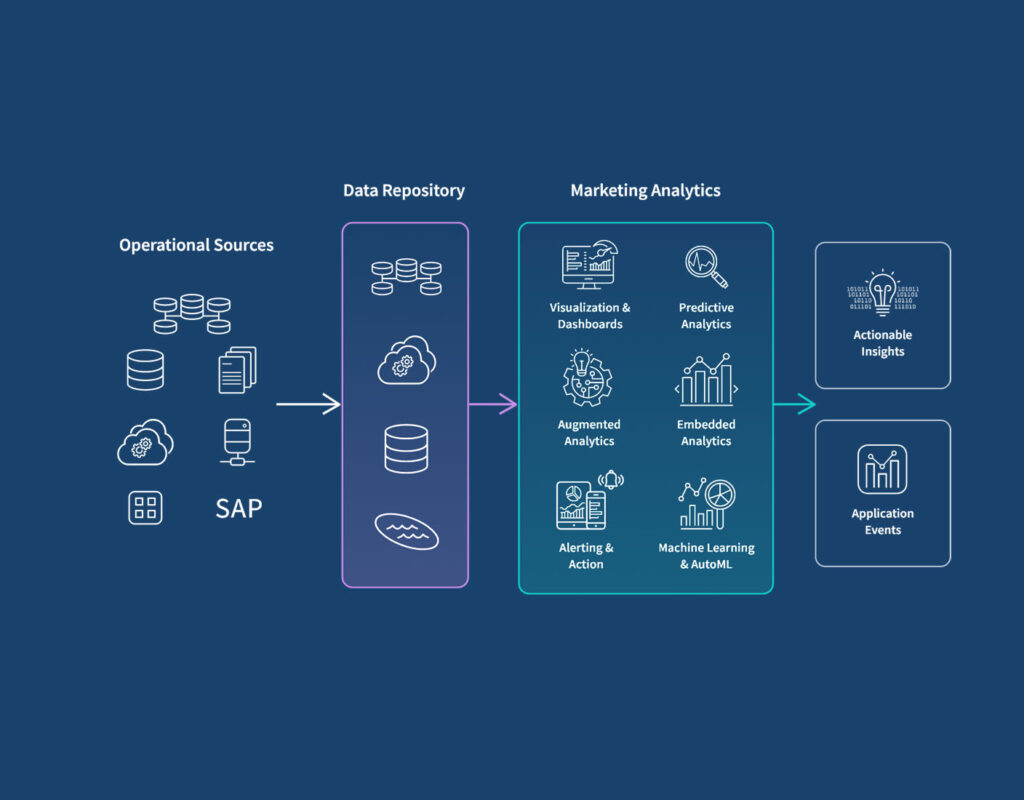
In advanced markets, intuition alone is not enough to guide marketing and business strategy. Sophisticated environments demand precision, accountability, and measurable outcomes. Relying on data-driven decision making allows brands to replace assumptions with real insights and performance metrics.
Data helps businesses understand user behavior, content effectiveness, and conversion patterns. By analyzing engagement, traffic sources, and user journeys, brands can refine messaging and optimize campaigns with confidence. This leads to smarter resource allocation and stronger results.
Advanced markets also require continuous optimization. Data enables businesses to adapt quickly to changing customer expectations and competitive shifts. Organizations that embed analytics into decision-making processes gain a sustainable advantage, ensuring long-term growth and credibility in highly competitive digital landscapes.
In mature markets, trust becomes the primary differentiator. Customers look for:
This aligns directly with Google’s E-E-A-T principles, which evaluate how trustworthy and reliable content appears.
Key trust signals include:
Each of these mistakes reduces credibility and weakens performance in search and conversions.
Appledew understands that sophisticated markets require advanced strategy, not generic marketing. Our approach focuses on aligning business objectives with market maturity, audience expectations, and search engine evaluation standards.
Appledew designs scalable growth solutions by aligning advanced market insights with a results-focused digital marketing strategy tailored to competitive environments.
This ensures brands remain competitive even as markets evolve.

As digital markets continue to evolve, market sophistication is expected to rise across industries. Emerging technologies, changing customer expectations, and intensifying competition are driving brands to adopt more advanced strategies. Businesses that anticipate these trends will gain a competitive edge and build long-term trust.
In summary, future market sophistication is shaped by technology, expertise, data, and trust. Brands that innovate continuously, adopt AI-driven insights, create authoritative content, and prioritize meaningful engagement will maintain visibility, authority, and growth in increasingly competitive digital landscapes.
Market sophistication refers to how mature, competitive, and informed a market and its customers are.
It determines how brands should communicate, position value, and differentiate effectively.
Sophisticated markets require deeper, more authoritative content to rank and convert.
No. Buyer awareness focuses on individual customers; market sophistication applies to the entire competitive landscape.
By focusing on trust, authority, originality, and data-driven insights.
Yes. Competitive niches demand higher content quality, depth, and credibility.
E-E-A-T ensures content demonstrates experience, expertise, authority, and trustworthiness.
They validate claims and improve content trust and SEO quality.
Through research-driven, SEO-aligned, authority-based digital strategies.
Yes, with focused positioning, expertise-led content, and smart strategy.
Market sophistication is no longer optional; it defines how brands must communicate, compete, and grow in the modern digital landscape. As competition intensifies and customers become more informed, brands must elevate their messaging, strategy, and credibility to succeed.
Brands operating in highly sophisticated markets cannot rely on generic claims or feature-driven messaging. Instead, success depends on expertise-led content, credible positioning, and transparent communication. Customers expect proof of value, clear differentiation, and evidence-based insights. Leveraging buyer awareness stages helps brands deliver the right message at the right time, ensuring content resonates with diverse audiences.
Data-driven strategies also play a critical role. By utilizing advanced analytics and insights, brands can optimize messaging, refine campaigns, and maintain competitiveness in dynamic markets. Organizations that embed data into decision-making gain a sustainable advantage and can respond effectively to market shifts.
Finally, trust, authority, and differentiation are the ultimate competitive advantages. Businesses that invest in building credibility, creating authoritative content, and continuously adapting to market trends achieve long-term growth. Appledew helps brands navigate these complexities through a results-driven digital marketing strategy that aligns with market sophistication and audience expectations.
In conclusion, understanding and embracing market sophistication enables brands to stay competitive, trusted, and growth-oriented. Strategic, insight-driven, and authoritative approaches are essential for thriving in mature, highly competitive digital markets.