
Consumers today are not persuaded by aggressive sales messages — they are persuaded by value. Whether someone is buying software, hiring a digital marketing agency, or shopping online, they want helpful information, expert guidance, and solutions they can trust. This shift in consumer behavior is exactly why Content Marketing has become the backbone of modern business growth.
Content is no longer “optional.” It is the fuel that drives organic traffic, builds authority, nurtures leads, and guides customers toward decisions. For small businesses, startups, and e-commerce brands, strong content is what sets you apart in a crowded online world.
This comprehensive guide breaks down how content marketing works, how to create high-converting content, and how to strategically use web content and copywriting to generate real business results. You’ll learn proven methods used by leading digital marketing agencies — including Appledew — and discover how to build your own powerful content ecosystem.
By the end, you’ll have a clear, actionable roadmap for building a content marketing system that grows attention, increases engagement, and drives conversions.
Let’s begin.
Content Marketing is a strategic approach to creating and distributing valuable content to attract, engage, and convert a target audience. Instead of pushing a message directly to customers, you pull them in through helpful information, storytelling, and authority-building content.
Traditional marketing interrupts.
Content marketing educates.
Traditional ads disappear when the budget ends.
Content marketing keeps bringing traffic, leads, and sales long-term.
All these formats contribute to one goal: building trust that leads to conversions.
People Trust Content More Than Ads because valuable, educational content feels genuine, helpful, and customer-focused rather than sales-driven. Modern audiences actively avoid ads, using blockers or simply scrolling past them. Instead, they prefer blog posts, videos, guides, and reviews that answer questions and solve real problems. When brands consistently provide useful content, they build credibility and emotional connection. This trust encourages users to return, engage, and eventually buy—without feeling pressured. In today’s digital landscape, content creates long-term relationships and positions your brand as a reliable authority, far more effectively than traditional advertising alone.
Modern buyers research before buying.
They search Google, read blogs, watch reviews, and compare solutions.
High-quality content positions your brand as a trusted expert.
SEO Growth & Long-Term Visibility is a major advantage of content marketing, as high-quality content improves search engine rankings and attracts organic traffic over time. By targeting relevant keywords, optimizing content structure, and consistently publishing valuable material, businesses can increase their online presence and remain discoverable to potential customers. Unlike paid ads, which stop delivering results once the budget ends, content-driven SEO builds lasting visibility. Over time, this approach not only drives steady website traffic but also strengthens brand authority, enhances credibility, and ensures long-term growth in a competitive digital landscape.
Content is the #1 driver of organic search traffic.
Google rewards:
Strong content improves ranking, increases visibility, and drives continuous traffic.
Higher Conversions are a key benefit of content marketing, as targeted, valuable content guides potential customers through every stage of the buyer’s journey. By addressing pain points, answering questions, and providing actionable insights, content builds trust and nurtures relationships. Well-structured content, including blogs, case studies, and guides, encourages users to take desired actions, such as signing up for newsletters, downloading resources, or making purchases. Unlike traditional ads, content marketing creates meaningful engagement, making prospects more likely to convert. Over time, this strategy not only increases sales but also fosters customer loyalty and long-term business growth.
When your content solves problems, answers questions, and guides decisions, you become the brand customers prefer.
Content is your 24/7 sales assistant — explaining, nurturing, persuading, and converting.
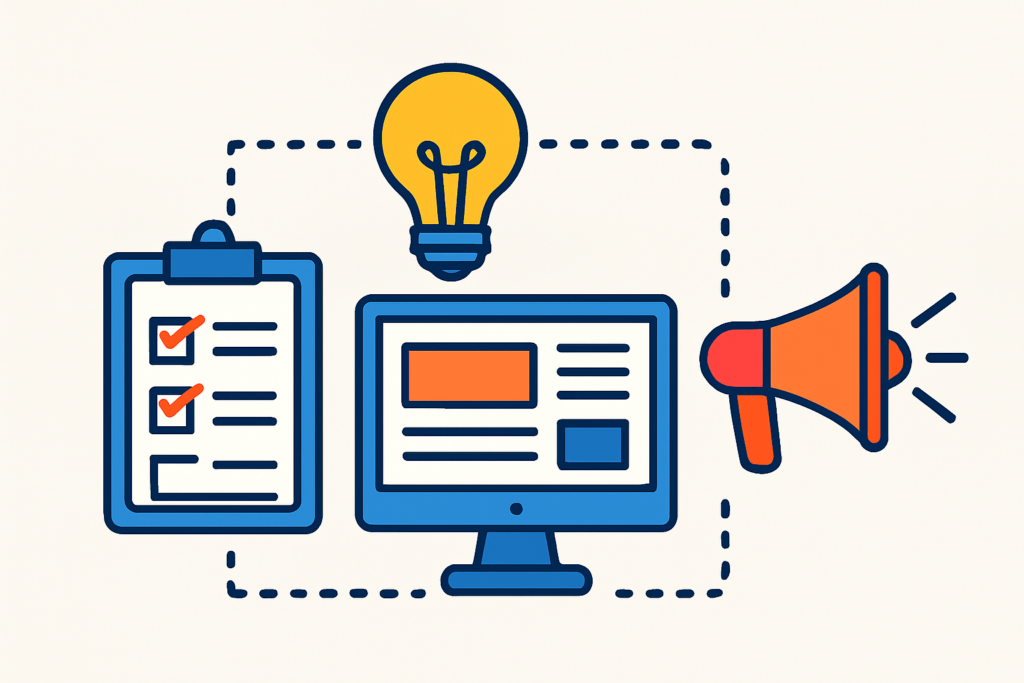
Audience Research helps you understand who your ideal customers are, what they need, and how they behave online. By analyzing demographics, interests, pain points, and search intent, businesses can create relevant content that attracts and engages the right audience. Strong audience insights lead to better messaging, higher conversions, and a more effective content marketing strategy.
Before creating content, understand who you are speaking to:
Identify their pain points, goals, fears, and buying triggers.
Keyword Research & Topic Strategy ensures your content aligns with what your audience is actively searching for. By identifying high-value keywords, trending topics, and search intent, you can create content that ranks well and attracts organic traffic. A strong topic strategy helps structure your content, improves visibility, and supports long-term growth in your overall content marketing efforts.
Build a strategy around:
This structure boosts SEO and increases authority.
Content Calendar provides a clear roadmap for planning, organizing, and publishing content consistently across all channels. It helps you schedule topics, assign tasks, and manage deadlines efficiently. By mapping out content in advance, businesses can maintain consistency, stay aligned with marketing goals, and ensure timely delivery of high-quality content that supports overall content marketing success. Consistency matters.
Plan content weekly or monthly:
A well-planned content calendar ensures predictable growth.
Create Content That Solves Problems by addressing your audience’s challenges and providing actionable solutions. Valuable, problem-focused content builds trust, engages readers, and positions your brand as an authority, encouraging repeat visits, higher engagement, and long-term loyalty while driving meaningful results for your business.
Your content must be:
Avoid generic or surface-level content. Aim for depth, clarity, and value.
Stories make content memorable.
Use:
Modern content must include:
Multimedia improves engagement and time-on-page.
Focuses on crafting clear, persuasive, and user-focused copy that drives visitors to take desired actions. By understanding your audience, addressing their pain points, and highlighting benefits, you can create compelling headlines, engaging body text, and strong calls-to-action. Effective content enhances user experience, builds trust, improves SEO, and ultimately increases conversions, turning visitors into leads and loyal customers.
Great website content must:
Important sections include:
Provide structured approaches to creating persuasive and effective content. Frameworks like AIDA (Attention, Interest, Desire, Action) or PAS (Problem, Agitate, Solution) guide writers in crafting messages that capture attention, address audience pain points, and drive conversions. By using these proven structures, businesses can produce consistent, high-quality copy that engages readers, builds trust, and encourages action across websites, emails, and marketing campaigns.
Use proven frameworks like:
These frameworks increase conversions across all content types.
Organic Channels refer to non-paid methods of sharing and promoting content to reach your target audience naturally. This includes search engine optimization (SEO), social media posts, blog publishing, and email marketing. Leveraging these channels helps increase visibility, build trust, and drive sustainable traffic over time. By consistently providing valuable content, businesses can engage audiences, strengthen brand authority, and achieve long-term growth without relying on paid advertising.
Paid Channels involve using advertising platforms to promote content directly to a targeted audience. This includes pay-per-click (PPC) ads, social media ads, sponsored posts, and display advertising. Paid channels provide immediate visibility, reach, and traffic, complementing organic efforts. By strategically investing in paid promotion, businesses can amplify their content, drive conversions, and accelerate brand awareness while precisely targeting specific demographics and interests.
Repurposing Content involves transforming existing content into different formats to reach wider audiences and extend its value. For example, turning a blog post into a video, infographic, or social media snippet. This strategy maximizes resources, reinforces key messages, and enhances visibility across multiple channels. By repurposing content, businesses can engage diverse audiences, improve SEO, and maintain a consistent presence without constantly creating new material.
Turn 1 piece of long-form content into:
This maximizes reach with minimal effort.

Track:
Content is a living asset — update it regularly:
Random content = random results.
If content isn’t discoverable, it won’t perform.
Your content must guide the user to a next step.
Publishing is only half the job.
You cannot improve what you don’t measure.
Situation: A small business struggled with low visibility.
Approach: Implemented a content strategy with SEO blogs and optimized pages.
Result: 3× organic traffic within 6 months.
Lesson: High-quality, long-form content compounds over time.
Situation: Product pages had traffic but no conversions.
Approach: Applied persuasive copywriting frameworks (AIDA, PAS).
Result: 45% increase in conversions.
Lesson: Messaging matters as much as traffic.
Content Marketing is a strategy focused on creating value-driven content to attract and convert audiences.
It boosts visibility, builds trust, and drives organic sales.
Expect 60–120 days for consistent results.
Blogs, landing pages, videos, social posts, and case studies.
Minimum 4–8 pieces per month for steady growth.
Ads stop when spending stops. Content continues generating traffic long-term.
Content Marketing is no longer just a branding tool — it is a core business growth strategy. When executed correctly, it builds trust, drives traffic, nurtures leads, and generates predictable conversions. By mastering content creation, web content structure, and persuasive copywriting, any business — especially small businesses, startups, and e-commerce brands — can create a powerful digital presence.
If you’re ready to unlock the full potential of Content Marketing, Appledew can help you create compelling content, optimize your website, and build a conversion-driven content strategy.
Ready to grow faster? Contact Appledew today.