

Website Design & Development services that deliver high-performance, SEO-friendly, secure, and user-focused websites. Learn best practices, trends, and strategies to build a powerful online presence.
In today’s competitive digital landscape, having a professionally designed and developed website is no longer optional—it is essential. A well-crafted website acts as the foundation of your online presence, helping businesses attract visitors, engage users, and convert leads into customers. Whether you are a startup or an established enterprise, investing in modern website design and development ensures your brand remains relevant and competitive.
At its core, website design focuses on the visual aesthetics and user experience, while development ensures functionality, performance, and scalability. Together, they create a seamless digital experience that aligns with business goals. A strong website is not just about appearance; it is about delivering value, speed, accessibility, and trust.
Appledew understands the importance of combining creativity with technical expertise. By leveraging modern tools, frameworks, and SEO strategies, businesses can build websites that not only look great but also perform exceptionally well in search engines and user engagement.
Website design and development are two interconnected disciplines that work together to create a fully functional digital platform. Design focuses on layout, colors, typography, and user experience, while development brings these elements to life using programming languages and frameworks. The combination ensures that users not only enjoy the look of a website but also benefit from smooth navigation and functionality.
Modern website design emphasizes user-centric approaches, ensuring that visitors can easily find information and complete desired actions. This includes intuitive navigation, mobile responsiveness, and fast loading times. A well-designed interface reduces bounce rates and increases engagement, which directly impacts business growth.
On the development side, technologies such as HTML, CSS, JavaScript, and backend frameworks power the website’s functionality. Developers ensure the site is secure, scalable, and optimized for performance. By integrating design and development effectively, businesses can create websites that are both visually appealing and technically robust.
Responsive web design ensures that a website adapts seamlessly to different screen sizes and devices. With the increasing use of smartphones and tablets, it is crucial for websites to provide a consistent experience across all platforms. A responsive design eliminates the need for multiple versions of a website, simplifying maintenance and improving usability.
User experience plays a significant role in determining a website’s success. If visitors struggle to navigate a site on their mobile devices, they are likely to leave quickly. Responsive design ensures that text, images, and navigation elements adjust dynamically, providing a smooth and enjoyable experience for users.
From an SEO perspective, search engines prioritize mobile-friendly websites. Following mobile-first indexing guidelines ensures that your website ranks higher in search results. This makes responsive design not just a usability feature but a critical component of digital marketing success.
User Experience (UX) and User Interface (UI) design are essential elements of modern websites. UX focuses on how users interact with a website, while UI deals with visual components such as buttons, icons, and layouts. Together, they create a cohesive experience that enhances usability and engagement.
A well-designed UX ensures that users can easily navigate the website, find relevant information, and complete tasks without frustration. This involves conducting user research, creating wireframes, and testing prototypes. By understanding user behavior, designers can create intuitive experiences that meet user expectations.
UI design complements UX by adding visual appeal and consistency. Elements such as color schemes, typography, and spacing play a crucial role in branding and user perception. A clean and visually appealing interface builds trust and encourages users to stay longer, ultimately increasing conversion rates.
Website performance is a critical factor in user satisfaction and search engine rankings. Slow-loading websites frustrate users and lead to higher bounce rates. Optimizing performance involves reducing load times, improving server response, and ensuring efficient resource management.
Techniques such as image compression, code minification, and caching significantly improve website speed. Tools like PageSpeed Insights help analyze performance and provide actionable recommendations. By implementing these strategies, businesses can deliver fast and efficient web experiences.
Performance optimization also impacts SEO. Search engines consider page speed as a ranking factor, making it essential for websites to load quickly. A high-performing website not only improves user experience but also increases visibility in search engine results.
SEO-friendly website development ensures that a website is structured in a way that search engines can easily crawl and index. This involves optimizing URLs, using proper heading tags, and implementing structured data. A well-optimized website improves visibility and attracts organic traffic.
Developers play a key role in implementing technical SEO practices. This includes creating XML sitemaps, optimizing robots.txt files, and ensuring proper canonicalization. Following guidelines from SEO Starter Guide helps maintain best practices and avoid common pitfalls.
Content also plays a crucial role in SEO. By integrating relevant keywords naturally and providing valuable information, websites can rank higher in search results. Combining technical optimization with high-quality content ensures long-term SEO success.
Website security is essential for protecting user data and maintaining trust. Cyber threats such as hacking, malware, and data breaches can have serious consequences for businesses. Implementing strong security measures ensures that websites remain safe and reliable.
One of the most important security practices is using HTTPS encryption. According to HTTPS guidelines, secure websites are favored by search engines and provide better protection for users. SSL certificates encrypt data, preventing unauthorized access.
Regular updates, secure coding practices, and vulnerability testing are also crucial. By keeping software and plugins up to date, businesses can minimize risks and ensure their websites remain secure against emerging threats.
Content Management Systems (CMS) simplify website management by allowing users to create, edit, and publish content without technical expertise. Popular CMS platforms provide user-friendly interfaces and customizable features, making them ideal for businesses of all sizes.
A CMS enables efficient content updates, ensuring that websites remain relevant and engaging. Features such as plugins, themes, and extensions allow businesses to enhance functionality without extensive development work. This flexibility makes CMS platforms a popular choice for modern websites.
Choosing the right CMS depends on business requirements, scalability, and security. By selecting a reliable platform, businesses can streamline their content management processes and focus on delivering value to their audience.

E-commerce websites enable businesses to sell products and services online, providing convenience and accessibility to customers. A well-developed e-commerce platform ensures seamless navigation, secure transactions, and efficient order management.
Key features of e-commerce websites include product catalogs, shopping carts, payment gateways, and user accounts. These elements work together to create a smooth shopping experience. Optimizing these features ensures higher conversion rates and customer satisfaction.
Security and performance are critical in e-commerce development. Implementing secure payment systems and optimizing load times ensures that customers can shop with confidence. A reliable e-commerce website can significantly boost business growth and revenue.
Website accessibility ensures that all users, including those with disabilities, can access and interact with digital content. Inclusive design practices improve usability and ensure compliance with accessibility standards.
Following WCAG guidelines helps create accessible websites. This includes providing alternative text for images, ensuring keyboard navigation, and using readable fonts and colors.
Accessible websites not only benefit users but also improve SEO and brand reputation. By prioritizing inclusivity, businesses can reach a wider audience and demonstrate social responsibility.
Choosing between custom and template-based design depends on business goals and budget. Custom designs offer unique branding and tailored functionality, while templates provide cost-effective and quick solutions.
Custom websites allow businesses to create distinctive digital experiences that align with their brand identity. They offer flexibility and scalability, making them suitable for complex projects. However, they require more time and resources to develop.
Template-based designs, on the other hand, are pre-built and easy to implement. They are ideal for small businesses or startups with limited budgets. While they may lack uniqueness, they provide a practical solution for launching a website quickly.
Front-end and back-end development are the two pillars that define how a website looks and functions. Front-end development focuses on everything users interact with directly, including layout, design, buttons, and animations. Technologies like HTML, CSS, and JavaScript are used to build visually engaging and interactive user interfaces that enhance user experience.
Back-end development, on the other hand, powers the server-side logic of a website. It handles databases, authentication, server communication, and application logic. Languages such as PHP, Python, Node.js, and frameworks like Laravel or Django ensure that the website operates smoothly behind the scenes. Without a strong back-end, even the most beautiful front-end design would fail to function properly.
The real strength lies in how these two components work together. A well-integrated system ensures fast data processing, seamless navigation, and real-time responsiveness. Businesses that invest in both front-end excellence and back-end reliability create websites that are not only visually appealing but also highly functional and scalable.
A website is not a one-time project; it requires continuous maintenance and updates to remain effective. Regular updates ensure that the website stays secure, performs well, and aligns with evolving user expectations. Ignoring maintenance can lead to outdated features, broken links, and security vulnerabilities.
Maintenance includes updating plugins, fixing bugs, optimizing performance, and ensuring compatibility with new browsers and devices. It also involves regularly backing up data to prevent loss in case of unexpected failures. Businesses that prioritize maintenance can avoid costly downtime and maintain a consistent online presence.
From an SEO perspective, regularly updated websites perform better in search rankings. Fresh content signals relevance to search engines. Following best practices from Google’s Crawling & Indexing ensures your site remains visible and competitive.
Website design and development must align with broader digital marketing strategies to maximize results. A website should serve as the central hub for all marketing efforts, including SEO, content marketing, social media, and paid advertising. Without proper integration, marketing campaigns may fail to deliver optimal results.
For example, landing pages designed specifically for campaigns can significantly improve conversion rates. These pages focus on a single goal, such as lead generation or product sales. By optimizing design elements like call-to-action buttons and forms, businesses can capture more leads effectively.
Additionally, integrating analytics tools such as Google Analytics helps track user behavior and measure campaign performance. Data-driven insights allow businesses to refine strategies, improve user experience, and achieve better ROI from their marketing efforts.
The field of website design and development is constantly evolving, driven by technological advancements and changing user expectations. Staying updated with trends ensures that businesses remain competitive and relevant in the digital space. Emerging technologies are shaping the way websites are designed and developed.
One major trend is the use of artificial intelligence and machine learning to personalize user experiences. AI-powered chatbots, recommendation systems, and dynamic content delivery enhance engagement and improve customer satisfaction. These innovations are transforming how users interact with websites.
Another important trend is the adoption of progressive web apps (PWAs) and voice search optimization. PWAs provide app-like experiences directly in browsers, while voice search requires websites to adapt content for conversational queries. Following guidelines from Structured Data Guidelines ensures websites are optimized for future search technologies.
Selecting the right website development partner is a critical decision that can impact your business success. A reliable partner should have expertise in design, development, SEO, and digital strategy. They should also understand your business goals and provide customized solutions.
When evaluating potential partners, consider their portfolio, client reviews, and technical capabilities. A strong portfolio demonstrates their ability to handle diverse projects and deliver quality results. Communication and transparency are also essential for a successful partnership.
A good development partner not only builds your website but also provides ongoing support and guidance. They help you adapt to changing trends, implement new technologies, and continuously improve your online presence. Choosing the right partner ensures long-term success and growth.
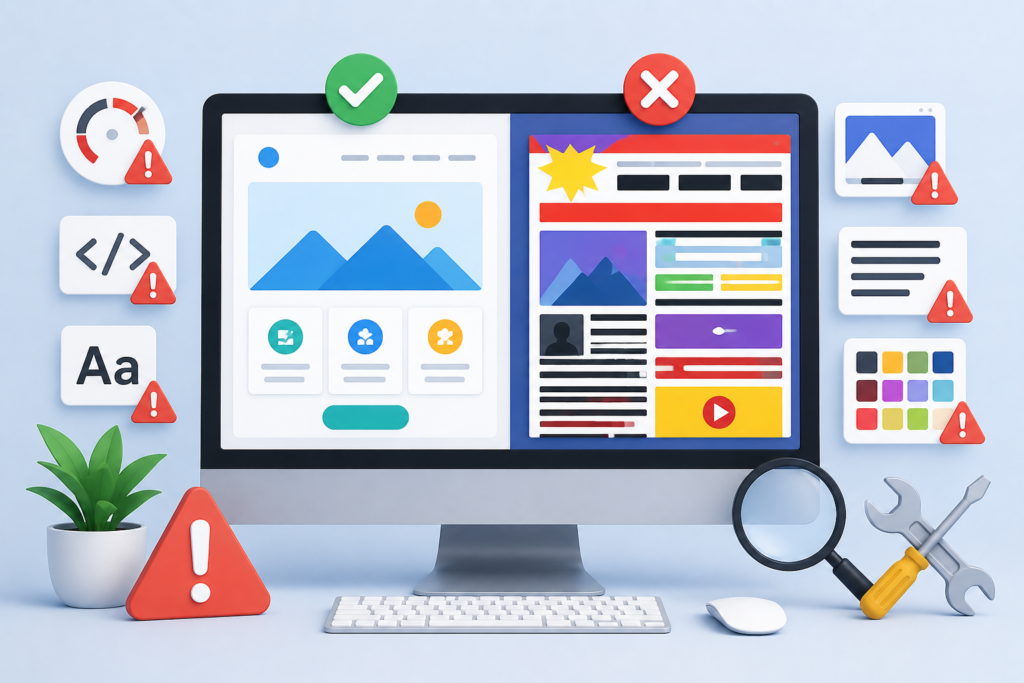
One of the most common mistakes businesses make is prioritizing design over functionality. While aesthetics are important, a website must also be user-friendly and easy to navigate. Complex layouts and confusing navigation can drive users away.
Another mistake is neglecting mobile optimization. With the majority of users accessing websites via mobile devices, failing to implement responsive design can significantly impact user experience and SEO rankings. Businesses must ensure their websites perform well on all devices.
Ignoring website security is another critical error. Without proper security measures, websites are vulnerable to cyberattacks and data breaches. Regular updates, secure coding practices, and HTTPS implementation are essential to maintaining a safe online environment.
Successful website design and development require a balanced approach that combines creativity, technical expertise, and strategic planning. Businesses should focus on creating user-centric designs that prioritize usability and accessibility.
Performance optimization is equally important. Fast-loading websites improve user satisfaction and search engine rankings. Implementing caching, image optimization, and efficient coding practices ensures optimal performance.
Finally, continuous improvement is key. Regular updates, data analysis, and adaptation to new trends help businesses stay ahead in the digital landscape. By following best practices, organizations can build websites that deliver long-term value.
1. What is website design and development?
Website design focuses on the visual and user experience aspects, while development involves coding and functionality to make the website operational.
2. Why is responsive design important?
Responsive design ensures your website works seamlessly across all devices, improving user experience and search engine rankings.
3. How does website speed affect SEO?
Faster websites rank higher in search results because they provide better user experiences and lower bounce rates.
4. What is the role of SEO in web development?
SEO ensures your website is structured and optimized for search engines, helping it rank higher and attract organic traffic.
5. How often should a website be updated?
Websites should be updated regularly to maintain security, improve performance, and keep content relevant.
6. What is a CMS?
A Content Management System allows users to manage website content easily without needing technical skills.
7. How can I make my website secure?
Use HTTPS, update software regularly, and follow secure coding practices to protect your website.
8. What is the cost of website development?
Costs vary depending on complexity, features, and customization requirements.
Website design and development play a crucial role in building a strong online presence. A well-designed website enhances user experience, improves search engine rankings, and drives business growth. By combining creativity with technical expertise, businesses can create digital platforms that deliver real value.
Appledew helps businesses achieve their digital goals by providing high-quality website design and development solutions. With a focus on performance, security, and user experience, businesses can build websites that stand out in today’s competitive landscape.
Prompt:
You are an expert consultant. Based on the blog post titled “Website Design & Development”, provide a step-by-step, practical implementation guide. Include tools, best practices, common mistakes to avoid, and advanced tips. Assume the reader wants to implement everything discussed in this article effectively.
Call to Action:
Want our help implementing this? Just reach out to us via our website contact form: https://appledew.com/contact-us/