

Discover how content marketing drives traffic, builds authority, and boosts conversions with proven strategies, tools, and Google best practices for sustainable growth.
Content marketing has evolved into one of the most powerful digital strategies for businesses aiming to build trust, generate leads, and create long-term brand authority. Unlike traditional advertising, which interrupts users, content marketing focuses on delivering value first. This approach aligns with modern user behavior, where people actively seek helpful, relevant, and informative content before making decisions.
Today, search engines prioritize helpful, user-first content. According to Google Search Central documentation, websites that demonstrate expertise and provide genuine value are more likely to rank higher. This makes content marketing not just a branding tool, but a critical SEO strategy.
Moreover, content marketing supports every stage of the buyer journey. From awareness to decision-making, strategic content helps guide users naturally. For example, blog posts educate, case studies build trust, and guides help users take action. As a result, businesses can nurture relationships instead of pushing sales aggressively.
In the introduction of this article, it is important to highlight that this website focuses on delivering real-world strategies and insights to help businesses succeed in competitive digital environments. Content marketing, when executed correctly, becomes a sustainable growth engine rather than a short-term tactic.
Content marketing is the process of creating and distributing valuable, relevant, and consistent content to attract and retain a clearly defined audience. However, its real strength lies in building relationships over time, not just generating quick wins.
At its core, content marketing revolves around solving user problems. Instead of promoting products directly, businesses provide answers, insights, and solutions. This aligns with Google’s emphasis on user intent and helpful content, as outlined in Google Search Quality Evaluator Guidelines.
There are several types of content marketing formats, including blogs, videos, infographics, podcasts, and social media posts. Each format serves a different purpose. For instance, blogs are excellent for SEO, while videos increase engagement and retention. Therefore, a well-rounded strategy often includes multiple formats working together.
Additionally, content marketing is not just about creation—it also involves distribution and optimization. Publishing high-quality content without proper promotion limits its impact. Businesses must ensure their content reaches the right audience through channels such as search engines, social media, and email marketing.
Understanding these fundamentals is essential before diving deeper into advanced strategies. Without a strong foundation, even the best content may fail to deliver results.
Content marketing and SEO are deeply interconnected. In fact, content is the foundation of SEO success. Without high-quality content, it is nearly impossible to rank for competitive keywords or attract organic traffic.
Search engines analyze content to determine its relevance, quality, and usefulness. Factors such as keyword usage, structure, readability, and depth all influence rankings. According to Google ranking systems overview, helpful and reliable content is a key ranking factor.
Furthermore, content marketing supports SEO through keyword targeting. By creating content around primary, secondary, and LSI keywords, businesses can capture a wide range of search queries. This not only increases visibility but also improves topical authority.
Another important aspect is internal linking. Strategic linking helps search engines understand website structure and distributes authority across pages. It also enhances user experience by guiding readers to relevant content.
In addition, content marketing encourages backlinks. High-quality, informative content naturally attracts links from other websites. These backlinks act as votes of confidence, improving domain authority and rankings.
Ultimately, content marketing and SEO work together to drive sustainable traffic. While SEO provides visibility, content ensures users stay engaged and take action.
A successful content marketing strategy begins with clear goals. Businesses must define what they want to achieve, whether it is increasing traffic, generating leads, or building brand awareness. Without clear objectives, it becomes difficult to measure success.
Next, audience research plays a crucial role. Understanding user needs, preferences, and pain points allows businesses to create content that resonates. Tools like keyword research platforms and analytics dashboards can provide valuable insights into audience behavior.
Another important step is content planning. Creating a content calendar ensures consistency and helps maintain a steady flow of content. Consistency is key because it builds trust and keeps audiences engaged over time.
Additionally, businesses should focus on quality over quantity. Publishing fewer, high-quality pieces is more effective than producing large volumes of low-value content. This approach aligns with Google’s emphasis on helpful and authoritative content.
Finally, a strong strategy includes performance tracking. Metrics such as traffic, engagement, and conversions help evaluate effectiveness. By analyzing these metrics, businesses can refine their strategy and improve results continuously.

Keyword research is the backbone of content marketing. It helps identify what users are searching for and ensures content aligns with their needs. Without proper keyword research, even the best content may go unnoticed.
The process begins with identifying primary keywords. These are the main terms that represent the core topic. For example, “content marketing” serves as a primary keyword for this article. Secondary and LSI keywords provide additional context and help capture related searches.
Tools such as keyword planners and search console data can provide valuable insights. According to Google Search Console Help, analyzing search queries helps understand how users find your content.
Moreover, understanding search intent is critical. Keywords can represent informational, navigational, or transactional intent. Creating content that matches this intent improves relevance and rankings.
Another key factor is competition analysis. Evaluating competing content helps identify gaps and opportunities. By providing more value and depth, businesses can outperform competitors.
In conclusion, keyword research ensures content is both discoverable and relevant. It bridges the gap between user needs and business goals.
High-quality content is the foundation of successful content marketing. It must provide real value, answer user questions, and deliver actionable insights. Content that lacks depth or originality is unlikely to perform well.
One important factor is clarity. Content should be easy to read and understand. Using simple language, short sentences, and clear structure improves readability. This not only benefits users but also aligns with SEO best practices.
Another key element is originality. Unique insights and perspectives make content stand out. Instead of repeating existing information, businesses should aim to provide new value. This could include case studies, expert opinions, or practical examples.
Additionally, formatting plays a significant role. Using headings, bullet points, and emphasis techniques such as bold, italic, and <u>underline</u> improves readability and engagement. Well-structured content keeps users interested and encourages them to explore further.
Finally, high-quality content builds trust. When users find valuable information, they are more likely to return and engage with the brand. This long-term relationship is the true goal of content marketing.
Creating content is only half the process. Effective distribution ensures it reaches the right audience. Without promotion, even the best content may remain unnoticed.
Search engines are one of the primary distribution channels. Optimizing content for SEO increases visibility and drives organic traffic. However, relying solely on search engines is not enough.
Social media platforms provide another powerful channel. Sharing content on relevant platforms helps reach a broader audience and encourages engagement. Each platform has unique characteristics, so content should be tailored accordingly.
Email marketing is also highly effective. Sending valuable content directly to subscribers ensures consistent engagement. It also helps nurture leads and build long-term relationships.
Additionally, partnerships and collaborations can expand reach. Guest blogging and influencer collaborations introduce content to new audiences and build credibility.
In summary, a multi-channel distribution strategy maximizes content impact. It ensures that content reaches users wherever they are.
User experience plays a critical role in content marketing success. Even high-quality content can fail if it is difficult to access or navigate. Therefore, businesses must focus on creating a seamless and enjoyable experience.
Website speed is one of the most important factors. Slow-loading pages can drive users away. According to Google Page Experience guidelines, fast and responsive websites improve both user satisfaction and rankings.
Mobile optimization is equally important. With the majority of users accessing content on mobile devices, websites must be fully responsive. This ensures content is accessible and easy to read on all devices.
Another key factor is navigation. Clear menus and internal links help users find relevant content بسهولة. This improves engagement and reduces bounce rates.
Finally, visual elements enhance user experience. Images, videos, and infographics make content more engaging and easier to understand.
Measuring performance is essential for understanding whether your content marketing efforts are delivering real results. Without proper tracking, it becomes impossible to identify what works and what needs improvement. Therefore, businesses must rely on data-driven insights rather than assumptions.
One of the most important metrics is organic traffic. It shows how many users are finding your content through search engines. Tools like Google Analytics 4 help track user behavior, engagement, and conversions. These insights reveal which content pieces attract the most attention and drive meaningful actions.
Another critical metric is engagement. Metrics such as time on page, bounce rate, and scroll depth indicate how users interact with your content. High engagement suggests that your content is valuable and relevant. On the other hand, low engagement signals the need for improvement in content quality or structure.
Conversion tracking is equally important. Whether your goal is lead generation, sales, or sign-ups, measuring conversions helps determine ROI. According to Google conversion tracking guidelines, tracking user actions provides clear insights into campaign effectiveness.
Ultimately, consistent monitoring and optimization ensure long-term success. By analyzing data regularly, businesses can refine their strategies and achieve better outcomes.
Content marketing must align with the buyer journey to be truly effective. Each stage requires a different type of content that addresses specific user needs. By understanding this journey, businesses can guide users from awareness to decision-making.
At the awareness stage, users are looking for information. Educational content such as blog posts, guides, and videos works best here. The goal is to answer questions and build trust. This stage is not about selling but about providing value.
In the consideration stage, users evaluate different options. Comparison articles, case studies, and detailed guides help them make informed decisions. Content should highlight unique advantages while maintaining transparency and credibility.
Finally, the decision stage focuses on conversion. Content such as testimonials, product demonstrations, and detailed service pages encourages users to take action. Clear calls to action play a crucial role in this stage.
By aligning content with the buyer journey, businesses create a seamless experience. This approach not only improves conversions but also strengthens customer relationships.
Building brand authority is one of the most significant benefits of content marketing. When businesses consistently provide valuable and reliable information, they position themselves as industry leaders. This trust leads to increased credibility and customer loyalty.
Authority is closely linked to expertise. Content should demonstrate deep knowledge and real-world experience. This aligns with Google’s emphasis on E-E-A-T (Experience, Expertise, Authoritativeness, Trustworthiness). According to Google E-E-A-T guidelines, authoritative content is more likely to rank higher.
Consistency is another key factor. Publishing content regularly keeps audiences engaged and reinforces brand presence. Over time, this builds recognition and trust.
Additionally, thought leadership content can enhance authority. Sharing unique insights, trends, and expert opinions differentiates your brand from competitors. It shows that your business is not just following trends but shaping them.
In conclusion, content marketing is a powerful tool for establishing authority. By focusing on quality, consistency, and expertise, businesses can build a strong and trusted brand.
Many businesses struggle with content marketing because they make avoidable mistakes. Identifying and addressing these issues can significantly improve results.
One common mistake is focusing on quantity over quality. Publishing large volumes of low-value content does not deliver meaningful results. Instead, it can harm credibility and SEO performance.
Another mistake is ignoring user intent. Creating content without understanding what users actually need leads to poor engagement. Content must align with search intent to be effective.
Lack of consistency is also a major issue. Irregular publishing schedules make it difficult to build momentum and trust. A consistent content strategy ensures steady growth.
Additionally, poor promotion limits content reach. Without proper distribution, even high-quality content may go unnoticed. Businesses must invest in promotion to maximize impact.
Finally, neglecting performance tracking prevents improvement. Without data, it is impossible to optimize strategies effectively.
Avoiding these mistakes ensures a stronger and more effective content marketing strategy.
Modern content marketing relies heavily on tools and technologies. These tools streamline processes, improve efficiency, and provide valuable insights.
Content management systems (CMS) are essential for publishing and managing content. They allow businesses to organize and update content بسهولة. Popular CMS platforms also offer SEO features that improve optimization.
Analytics tools provide data on performance and user behavior. As mentioned earlier, Google Analytics 4 is widely used for tracking metrics and understanding audience interactions.
Keyword research tools help identify relevant search terms. These tools provide insights into search volume, competition, and trends. This ensures content is optimized for visibility.
Additionally, SEO tools help analyze website performance and identify issues. According to Google Search Console, monitoring website performance helps improve search visibility.
Automation tools also play a role in scheduling and distribution. They save time and ensure consistency.
In summary, using the right tools enhances efficiency and effectiveness in content marketing.
Artificial intelligence is transforming content marketing. It enables businesses to create, optimize, and distribute content more efficiently. However, it must be used responsibly to maintain quality and authenticity.
AI tools can assist in keyword research, topic generation, and content optimization. They provide data-driven insights that improve decision-making. However, human expertise is still essential for creating meaningful and engaging content.
Another benefit of AI is personalization. By analyzing user behavior, AI can deliver tailored content experiences. This improves engagement and conversion rates.
However, relying solely on AI can lead to generic content. Businesses must ensure that content remains unique and valuable. Google emphasizes the importance of human-first content, as outlined in Google helpful content system.
In conclusion, AI is a powerful tool when used correctly. Combining AI capabilities with human creativity ensures the best results.
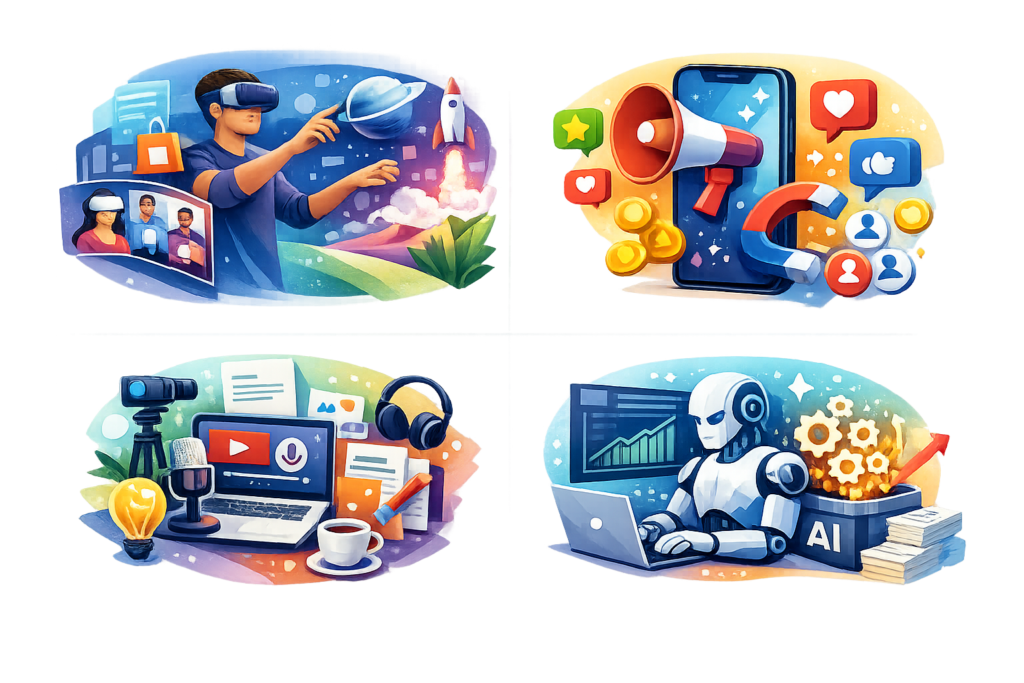
Content marketing continues to evolve with changing technology and user behavior. Staying updated with trends is essential for maintaining competitiveness.
One major trend is the rise of video content. Videos are highly engaging and effective in conveying information quickly. Businesses are increasingly investing in video marketing to capture audience attention.
Another trend is voice search optimization. With the growing use of voice assistants, content must be optimized for conversational queries. This requires a shift in keyword strategies.
Interactive content is also gaining popularity. Quizzes, polls, and interactive infographics increase engagement and provide a unique user experience.
Additionally, personalization is becoming more important. Users expect content tailored to their preferences and needs. Leveraging data and AI helps achieve this.
Finally, sustainability and ethical marketing are gaining attention. Businesses must focus on transparency and authenticity to build trust.
By adapting to these trends, businesses can stay ahead in the competitive landscape.
Content marketing is a strategy focused on creating and sharing valuable content to attract and engage an audience.
It helps build trust, improve SEO, and drive long-term business growth.
Content marketing is a long-term strategy. Results typically appear within a few months.
Blogs, videos, guides, and case studies are highly effective.
Consistency matters more than frequency. A regular schedule is recommended.
Yes, it is cost-effective and scalable for businesses of all sizes.
Track metrics such as traffic, engagement, and conversions.
Both have their advantages, but content marketing provides long-term value.
To succeed in content marketing, businesses must follow proven best practices. First, focus on creating high-quality, user-focused content. This ensures relevance and builds trust.
Second, conduct thorough keyword research. Understanding user intent helps create effective content. Third, maintain consistency in publishing. Regular updates keep audiences engaged.
Fourth, optimize content for SEO. This improves visibility and drives organic traffic. Fifth, promote content through multiple channels. Distribution is essential for maximizing reach.
Sixth, track performance and refine strategies. Data-driven decisions lead to better results. Finally, prioritize user experience. A seamless experience enhances engagement and conversions.
By following these best practices, businesses can achieve sustainable growth.
Content marketing is more than just a digital strategy—it is a long-term investment in building trust, authority, and meaningful relationships. When executed correctly, it delivers sustainable results and drives continuous growth.
This website emphasizes practical, results-driven strategies that align with modern SEO standards and user expectations. By focusing on quality, consistency, and user value, businesses can create impactful content that stands out in competitive markets.
Ultimately, success in content marketing requires patience, dedication, and continuous improvement. By applying the strategies outlined in this guide, businesses can achieve lasting success and growth.
Prompt:
You are an expert consultant. Based on the blog post titled “Content Marketing”, provide a step-by-step, practical implementation guide. Include tools, best practices, common mistakes to avoid, and advanced tips. Assume the reader wants to implement everything discussed in this article effectively.
Call to Action:
Want our help implementing this? Just reach out to us via our website contact form: https://appledew.com/contact-us/